
New research is investigating three potential hotspots for two of Australia’s rarest dolphins to uncover where they live, their behaviour and size of their populations.
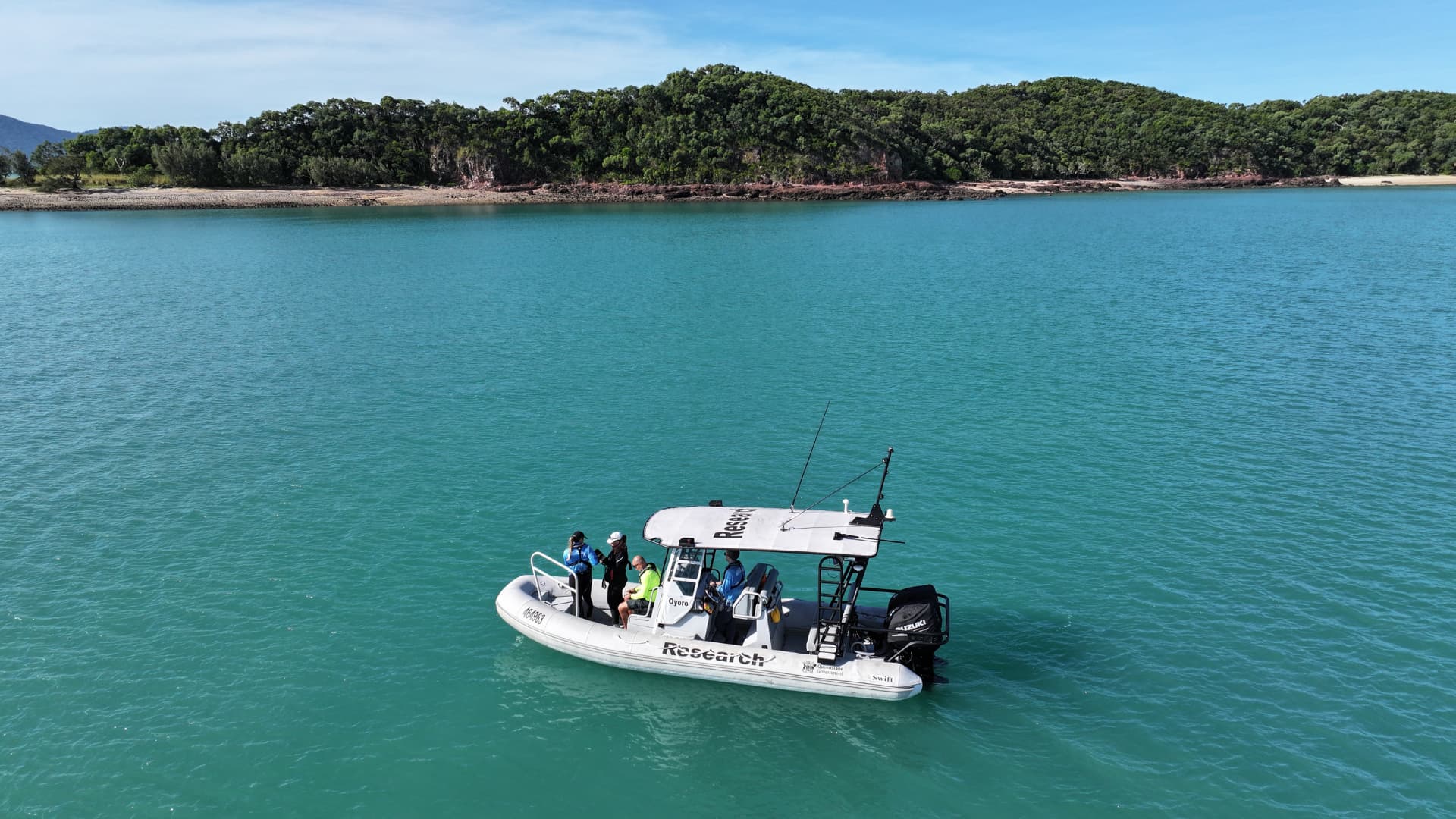
The three-year Great Barrier Reef Inshore Dolphin Project is studying Australian snubfin and humpback dolphins at Princess Charlotte Bay in Cape York, Repulse Bay in the Whitsundays and Keppel Bay near Rockhampton.
Researchers will collect baseline data on population size, distribution and trends to support conservation assessments and management of these threatened species.
The project follows surveys that identified Princess Charlotte Bay as a potential snubfin stronghold - the only place the species was recorded between Cooktown and Cape York.
Queensland Parks and Wildlife Service Senior Conservation Officer Daniele Cagnazzi said preliminary estimates indicated the bay could support about 300 snubfins.
“Preliminary estimates suggest Princess Charlotte Bay may support one of the largest documented snubfin dolphin populations on Australia’s east coast,” Mr Cagnazzi said.
“That’s a very large population for snubfin dolphins. As far as we know, there is no comparable population in Australia among those that have been studied.”
Previous research estimates fewer than 10,000 of each species remain, often in coastal populations of about 100 animals.
Low reproduction rates, limited genetic diversity and reliance on inshore habitats make them vulnerable to coastal development, declining water quality and accidental capture in fishing nets.
Reef Authority Project Manager Sarah Salmon said studying potential hotspots across northern, central and southern regions of the Marine Park would establish an important benchmark.
“Understanding the current status and health of these populations is essential as it establishes a baseline for tracking changes over time,” Ms Salmon said.
“Future monitoring will show us whether these species have declined, or whether any conservation actions we have put in place have helped them to stabilise or increase.”
Traditional Owner knowledge helped identify survey areas, with Lama Lama Traditional Owners, Gia and Ngaro Peoples, and Darumbal Traditional Owners supporting vessel-based data collection.
The project is delivered by the Reef Authority and Queensland Parks and Wildlife Service through the Reef Joint Field Management Program, with Queensland’s Threatened Species Operations Team, James Cook University PhD candidate Chloe Edwards and Traditional Owner partners.
Five fascinating dolphin facts
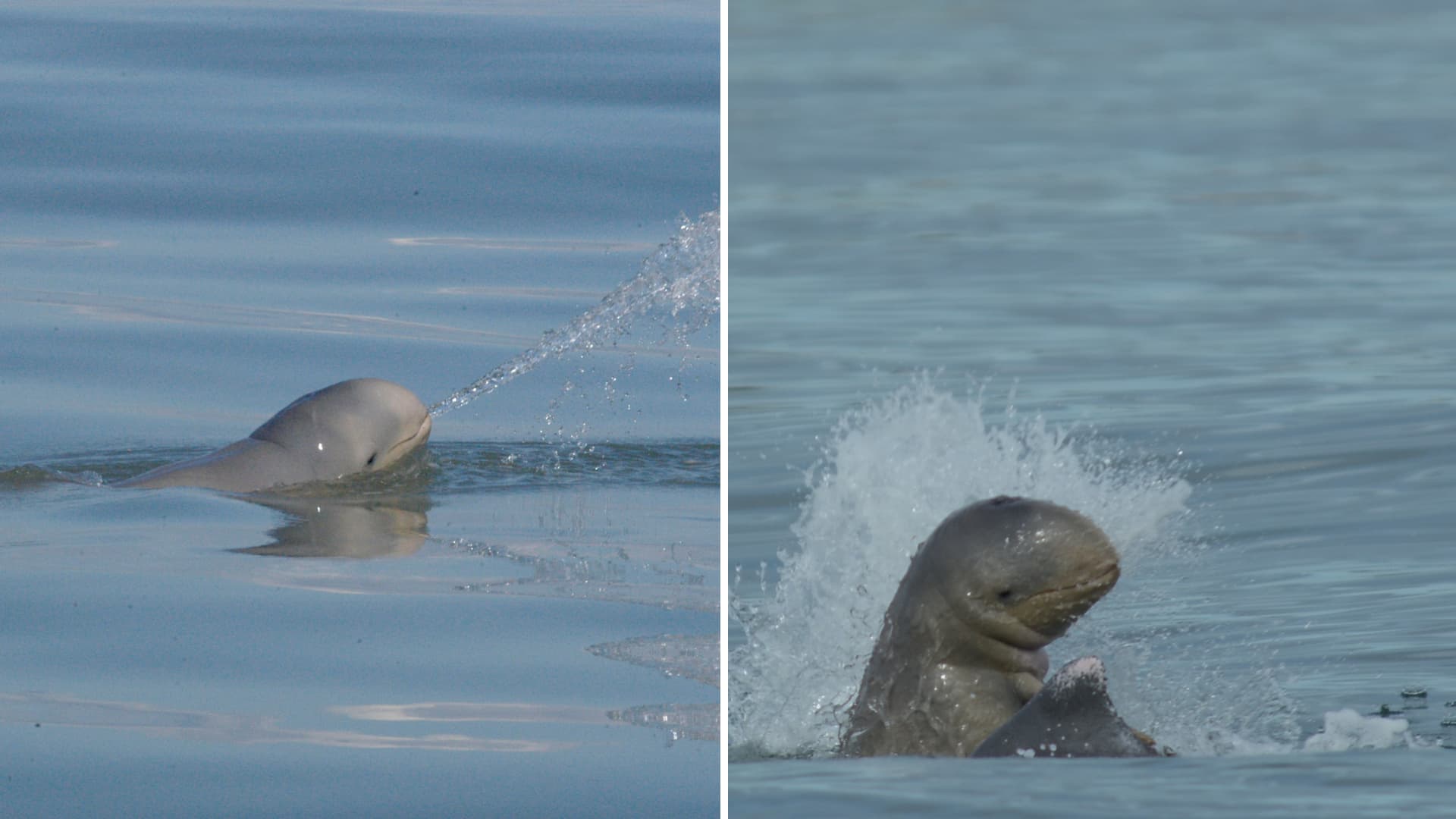
- Snubfin dolphins have been observed spitting jets of water at fish to help herd and catch them.
- Australian humpback dolphins use a rare behaviour known as “strand feeding”, working together to drive fish towards river mudbanks before lunging partly from the water to seize them.
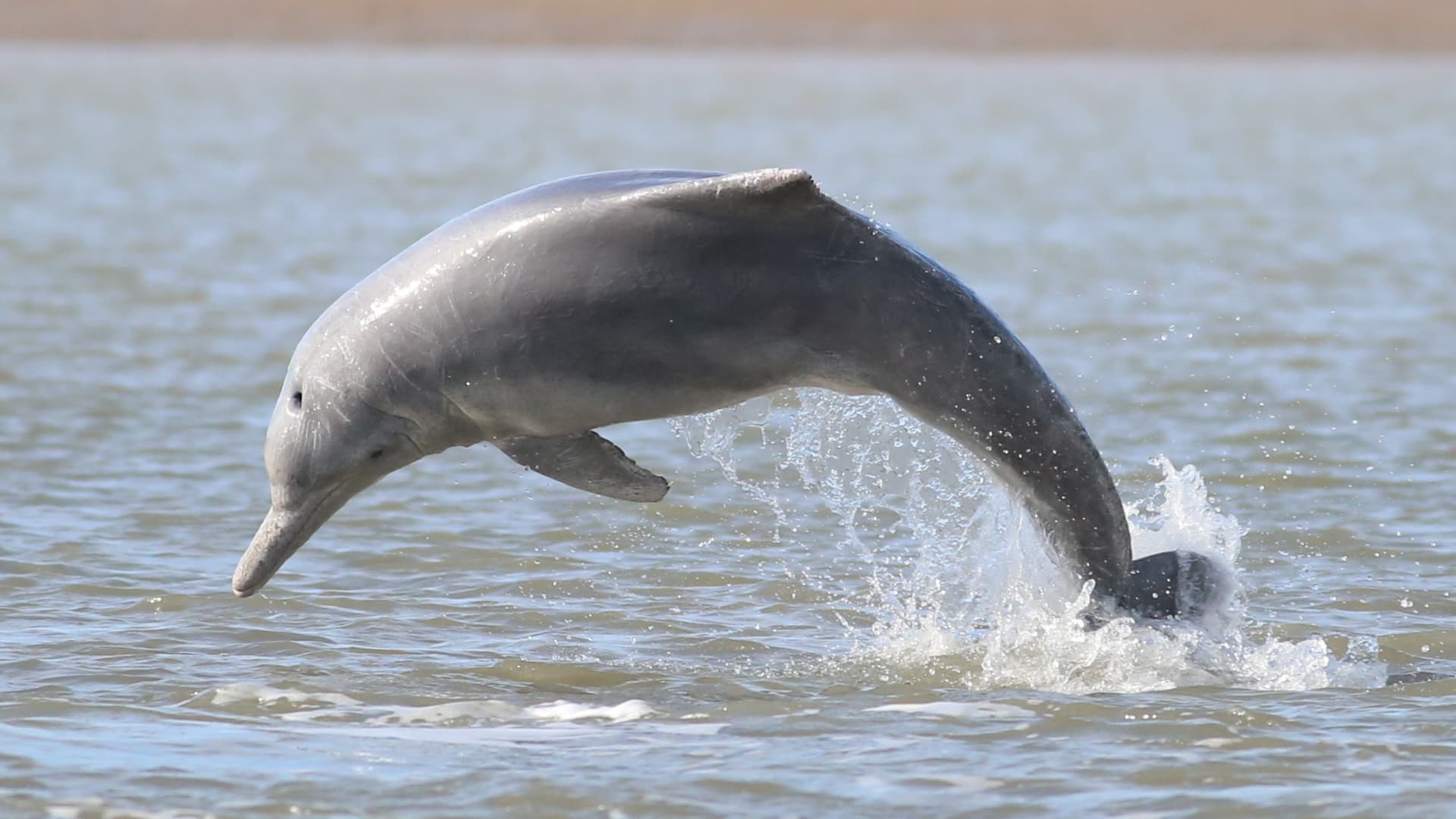
- A dolphin’s dorsal fin acts like a fingerprint. Its unique shape, markings and scars allow researchers to identify and track individual animals.
- The Australian snubfin dolphin was only recognised as a separate species in 2005. Before then, it was thought to be the same species as Asia’s Irrawaddy dolphin.
- Australian humpback dolphins were formally described as a separate species in 2014. They can live for about 40 years and often develop distinctive white or pink scars and speckling as they age.
ENDS
For stills/vision click here.
Contact: Great Barrier Reef Marine Park Authority
Media Hotline: (07) 4750 0846 | media@gbrmpa.gov.au