Bird flu - avian influenza
Avian influenza, commonly known as bird flu, is a viral disease that can affect wild birds, including seabirds and shorebirds.
The globally circulating H5 strain has been detected in wild seabirds in Australia. Because some seabirds travel long distances between feeding and breeding areas, continued surveillance, preparedness and early reporting are important.
The current risk of bird flu to people in Australia is low.
For the latest information about detections and official health and biosecurity advice, visit birdflu.gov.au.
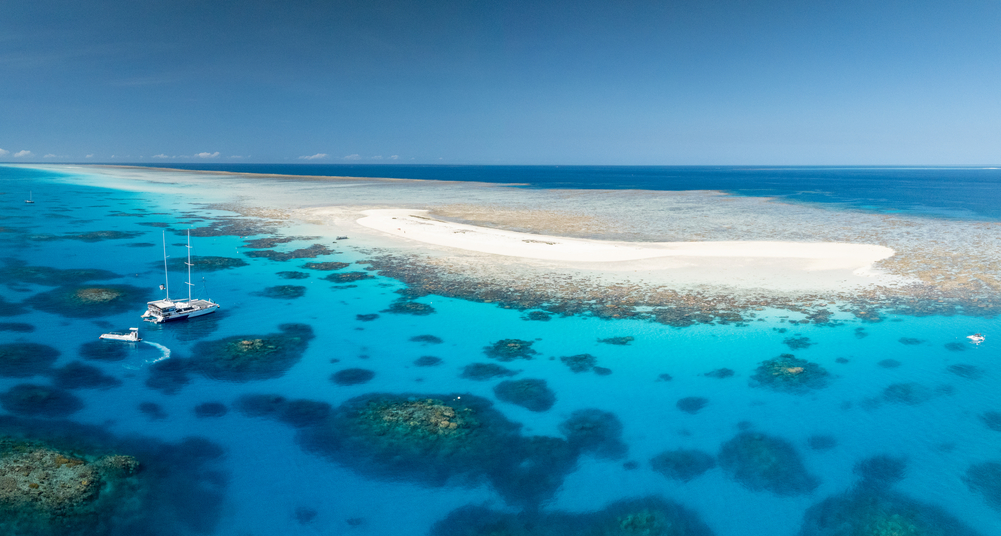
The Great Barrier Reef Marine Park supports some of the world’s most significant seabird and shorebird breeding areas.
More than 20 seabird species breed on islands and coral cays across the Reef, while many others feed, rest or move through its waters. Coastal wetlands, saltmarshes, beaches, tidal flats and mangroves associated with the Reef also provide habitat for at least 41 shorebird species.
Seabirds spend much of their lives at sea, feeding on fish, squid and other marine animals. They return to islands and cays to rest, breed and raise their chicks - often returning to the same places each year. This strong connection to particular breeding sites makes them vulnerable to disturbance, habitat loss and environmental change.
Protecting seabirds, shorebirds and the places they depend on helps maintain the biodiversity, health and resilience of the Great Barrier Reef.
Seabirds at a glance
- The Reef supports breeding populations of around 20 seabird species.
- There are 55 regionally or globally significant seabird rookeries across the Reef.
- Around 65 per cent of these significant sites are in the southern Great Barrier Reef.
- Around 71 per cent support seabird populations considered globally significant.
- Raine Island is the Reef’s most diverse seabird rookery, supporting between 13 and 17 breeding species.
- Other important breeding sites include Michaelmas Cay, Gannett Cay and islands and cays of the Capricorn and Bunker groups.
Seabirds are protected through Commonwealth and Queensland legislation. It is illegal to take or interfere with birds or their eggs in the Great Barrier Reef Marine Park without permission. Special arrangements may apply for Traditional Owners undertaking traditional use activities within their respective Land and Sea Country.
Why are seabirds important?
Seabirds are a vital part of the Great Barrier Reef ecosystem.
As marine predators near the top of the food web, they provide valuable insights into the condition of the ocean. Changes in seabird populations, breeding success and feeding behaviour can reflect changes in water temperature, ocean productivity and the availability of prey.
Seabirds also connect marine and island ecosystems. By feeding at sea and returning to islands to rest and breed, they transport nutrients from the ocean onto land. These nutrients enrich island soils, support vegetation and contribute to the health of surrounding ecosystems.
Shorebirds can provide similar insights into the condition of beaches, tidal flats, mangroves and coastal wetlands. Many migratory shorebirds also connect the Great Barrier Reef with habitats thousands of kilometres away.
For Traditional Owners, seabirds and shorebirds form part of enduring cultural, ecological and spiritual connections with Land and Sea Country.
Seabirds and shorebirds - what is the difference?
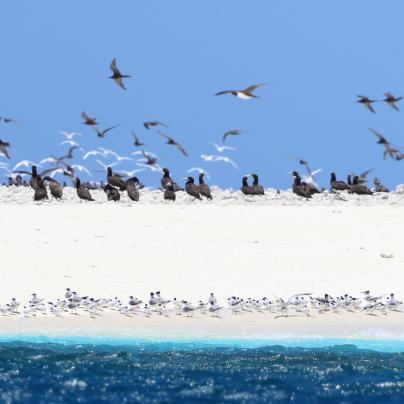
Seabirds spend most of their lives on or around the ocean. They feed at sea and generally come ashore to rest and breed. Terns, noddies, boobies, frigatebirds, tropicbirds and shearwaters are among the seabirds found on the Great Barrier Reef.
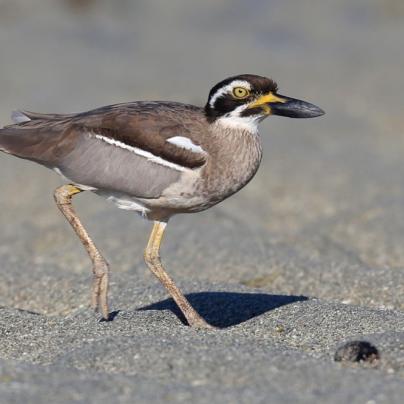
Shorebirds are generally found along coastlines, beaches, estuaries, mudflats and wetlands. They feed in shallow water, along the water’s edge or across exposed tidal areas. Eastern curlews, whimbrels and knots are among the shorebirds found on the Great Barrier Reef.
Some shorebirds live in Australia throughout the year. Others undertake extraordinary annual migrations through the East Asian–Australasian Flyway, travelling between breeding grounds in the Arctic and northern Asia and feeding areas in Australia and the wider region.
Although seabirds and shorebirds use different habitats, both depend on safe places to feed, rest and breed.
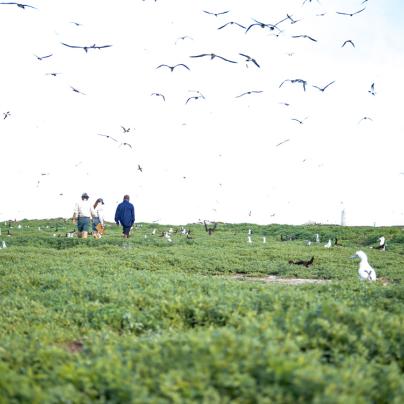
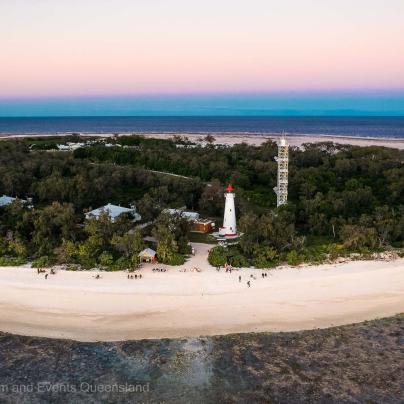
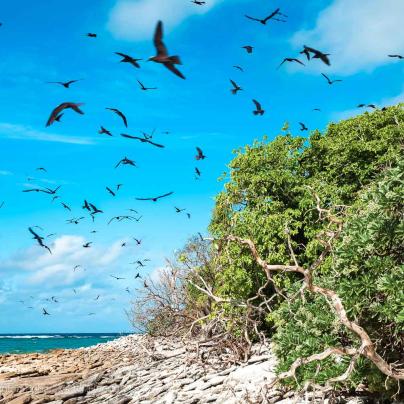
Important bird habitats across the Marine Park
The islands, cays, coastal wetlands and surrounding waters of the Great Barrier Reef provide vital habitats for seabirds and shorebirds.
Some seabirds feed relatively close to their breeding colonies. Others travel hundreds of kilometres in search of food. Protecting productive marine feeding areas is therefore just as important as protecting the islands where they breed.
Important seabird breeding sites
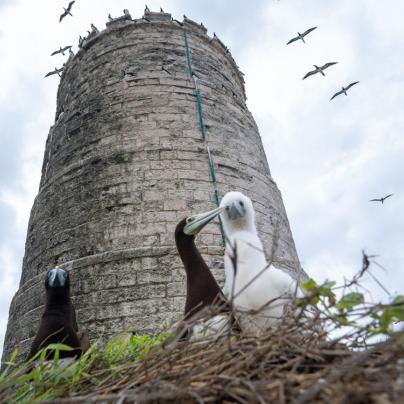
Raine Island is the most diverse seabird rookery on the Great Barrier Reef, supporting between 13 and 17 breeding species. These include boobies, frigatebirds, tropicbirds, terns and noddies.
Michaelmas Cay is an important seabird breeding site that supports thousands of nesting birds, including noddies and several species of tern.
Remote islands and cays in the northern Great Barrier Reef provide important breeding habitat for boobies, noddies, terns, frigatebirds and tropicbirds.
The islands and cays of the southern Great Barrier Reef support internationally important breeding populations of terns, noddies and wedge-tailed shearwaters.
East Fairfax Island supports a significant brown booby breeding colony. Population increases recorded at this site demonstrate the potential benefits of protecting breeding sites and restoring island habitat.
Important shorebird habitats
At least 41 shorebird species occur in coastal wetlands associated with the Great Barrier Reef.
Important habitats include Shoalwater and Corio bays and Bowling Green Bay, which support internationally significant shorebird populations.
Millions of migratory shorebirds move through the East Asian–Australasian Flyway each year. During these journeys, birds depend on a network of wetlands, estuaries, beaches and tidal flats where they can rest and replenish their energy.
The loss or degradation of habitat at any point along this international migration route can affect the birds that visit the Great Barrier Reef. Protecting important feeding and roosting areas in Australia is therefore part of a much larger international conservation effort.
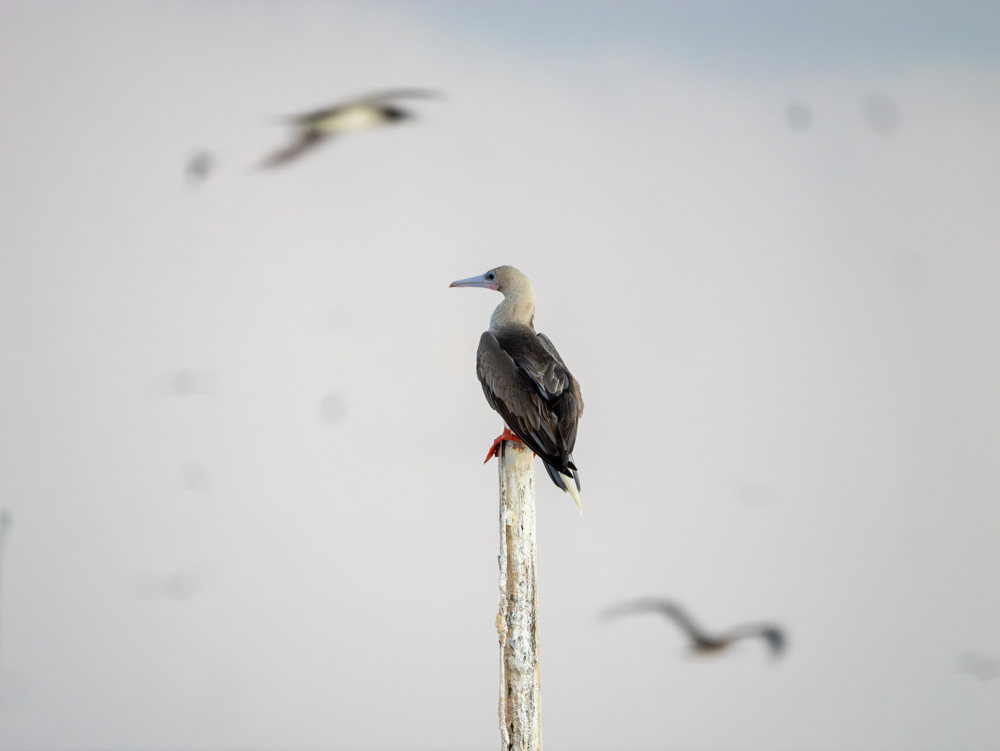
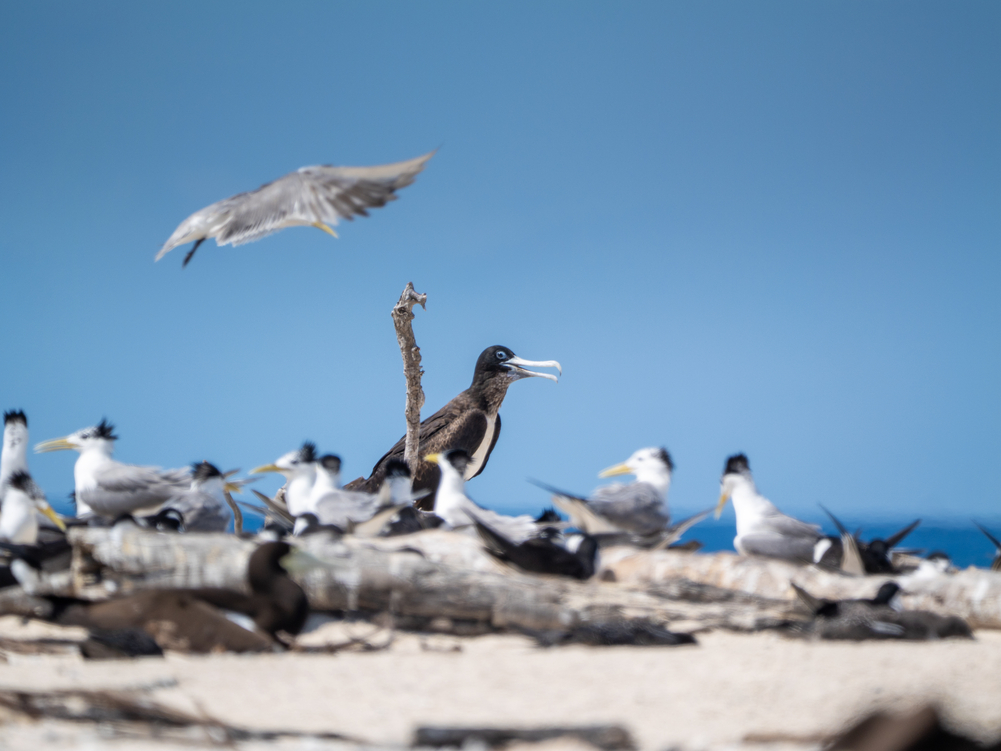
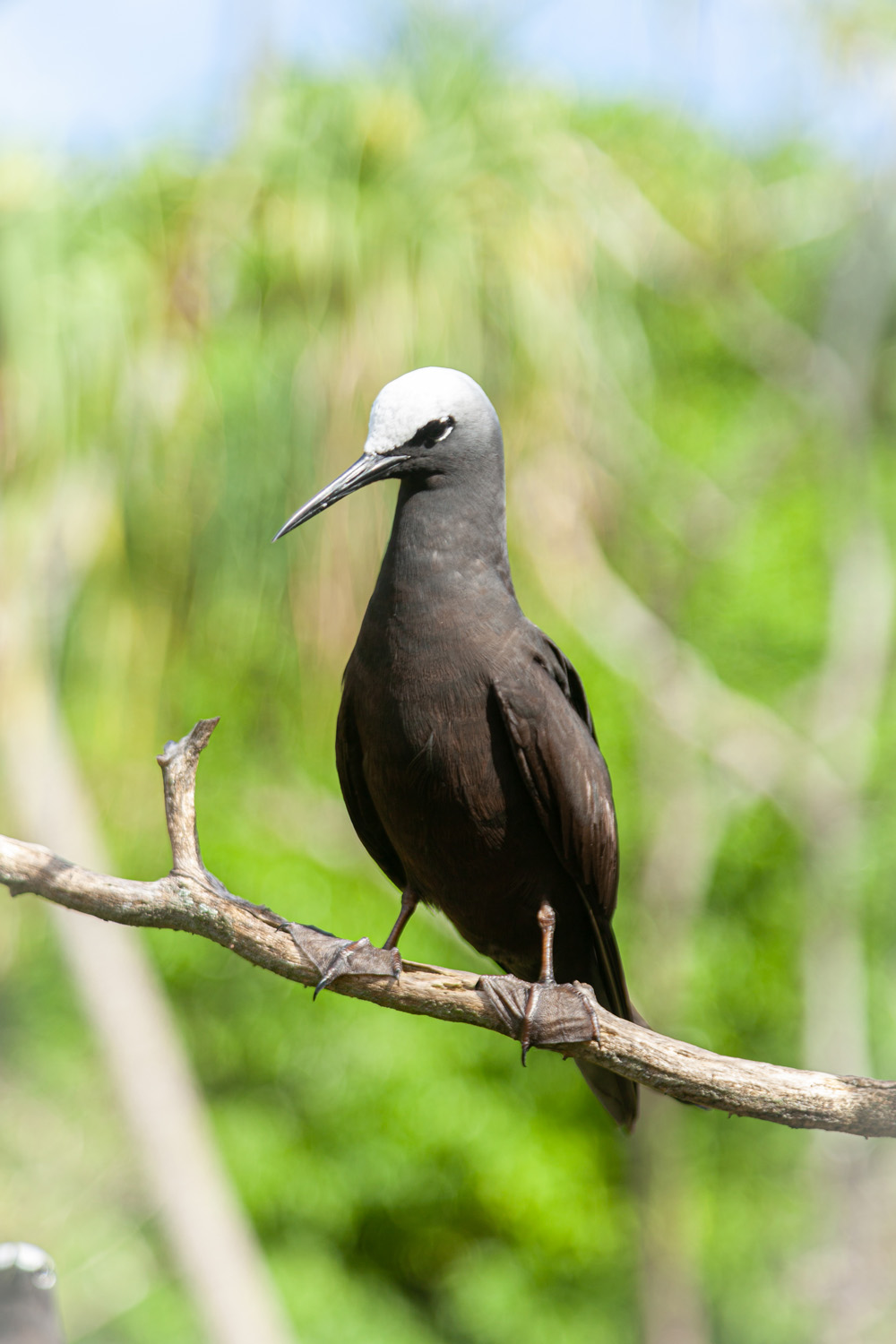
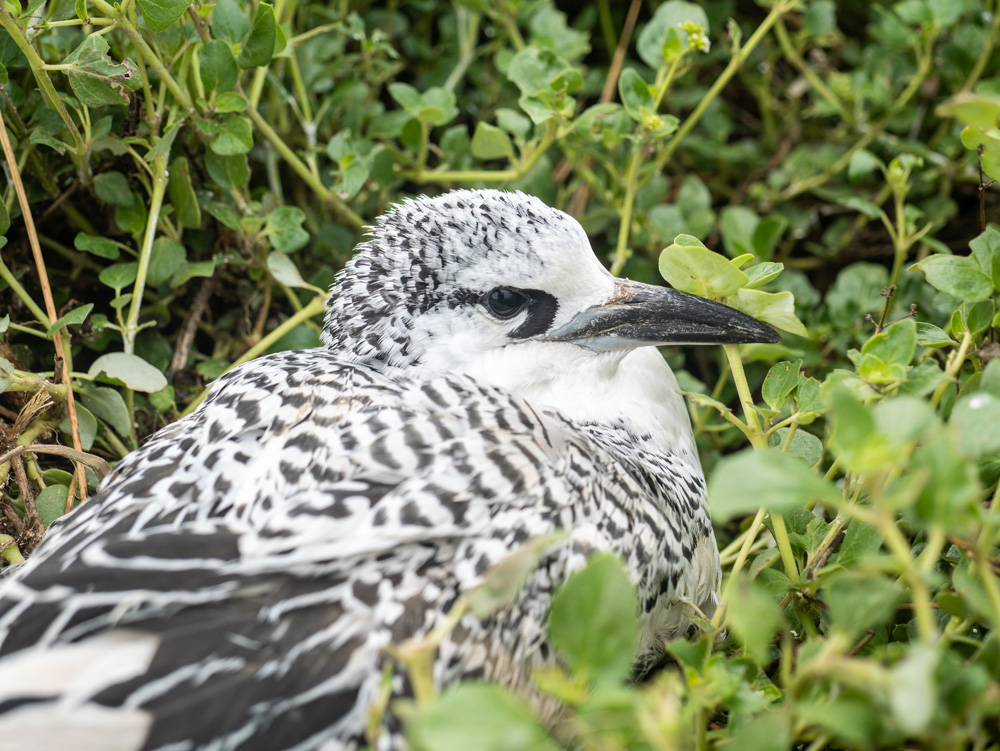
Common seabirds of the Great Barrier Reef
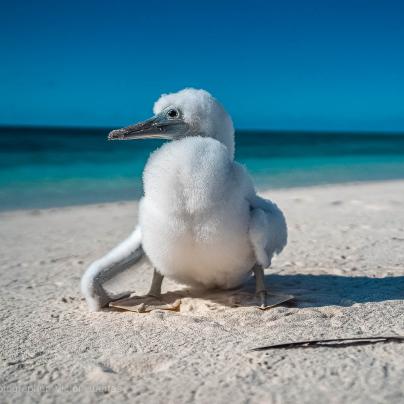
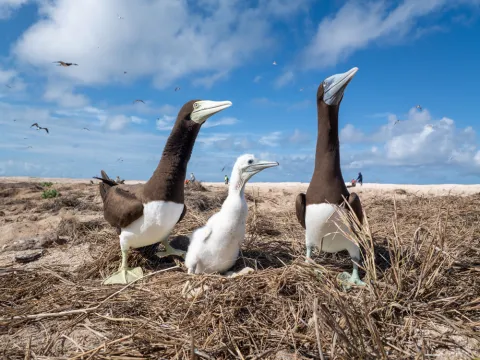
A large diving seabird commonly seen around reefs and offshore islands. Brown boobies nest on the ground on coral cays and rocky islands.
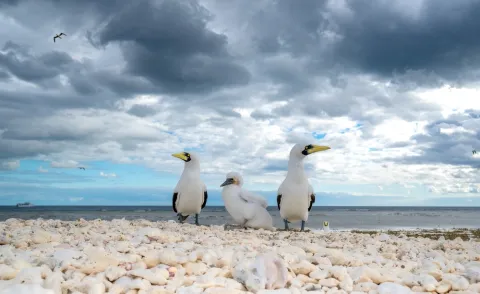
One of the Reef’s largest breeding seabirds, recognised by its mostly white plumage, dark wing edges and distinctive dark facial markings.
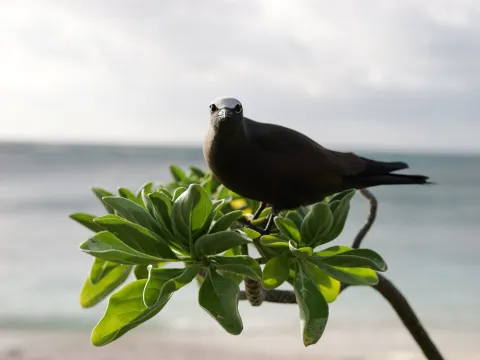
A common breeding seabird that often nests in island vegetation. Black noddies feed around reefs on small fish and squid, sometimes travelling farther from their colonies when food is scarce.
A colony-nesting seabird found throughout the Reef. Common noddies feed mainly on small schooling fish and other marine prey.
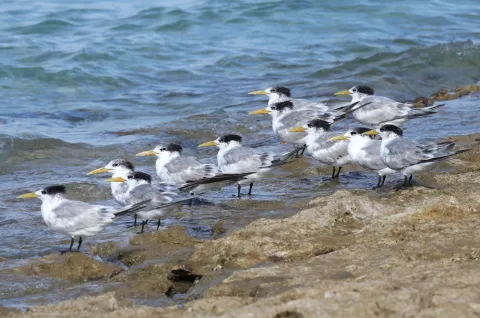
A widespread seabird often seen diving for fish or resting in groups on beaches, sandbanks and reef flats.
A highly marine species that spends much of its life at sea before gathering in large colonies on tropical islands to breed.
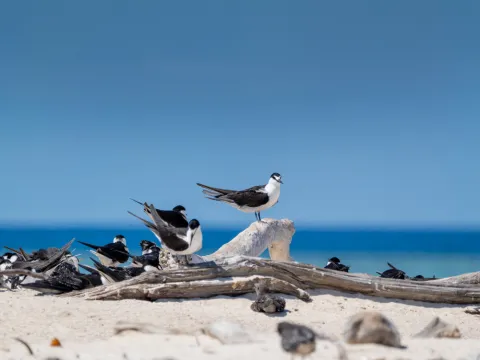
A slender tern that breeds on low islands and coral cays. Its nesting colonies can be particularly sensitive to disturbance.
A wide-ranging ocean bird that spends most of its life at sea. It returns to islands and cays to breed in underground burrows.
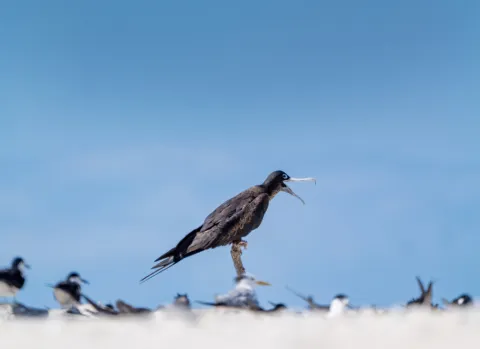
A soaring seabird with long wings and a deeply forked tail. Lesser frigatebirds can often be seen circling high above offshore islands.
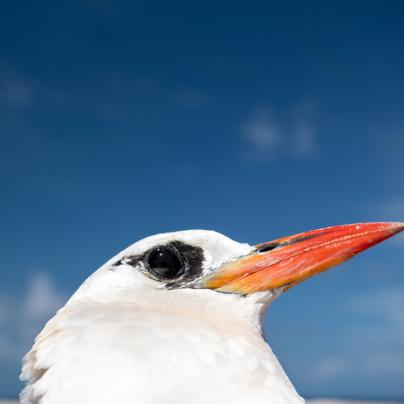
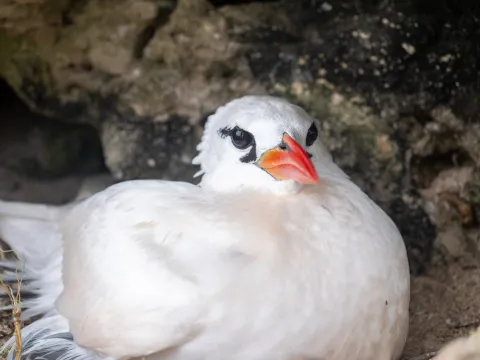
A distinctive white seabird with long red tail feathers. It breeds on a small number of remote islands across the Reef.
What do we know about seabird populations?
Long-term monitoring shows a mixed picture. Some seabird populations are stable or increasing, while others are declining.
Research using four decades of monitoring data identified probable declines in common noddies, sooty terns and masked boobies. No clear long-term change was detected in greater crested tern populations across the sites studied.
Brown booby numbers increased at East Fairfax Island, likely reflecting successful management actions, including removing historical threats and protecting and restoring breeding habitat. However, declines at several other sites demonstrate the importance of protecting multiple breeding colonies across the Reef.
Seabird populations can vary considerably between species, locations and breeding seasons. Scientists and managers continue to build knowledge about breeding success, survival, movement, feeding behaviour and population trends to better understand their long-term condition.
- Threats to seabirds and shorebirds
- Climate change and changing ocean conditions
Rising sea temperatures and marine heatwaves can affect the distribution and abundance of the fish and other marine animals seabirds depend on. Elevated air temperatures can also impact the survivorship of eggs and chicks. - When prey is scarce, seabirds may need to travel farther to find food. This requires more energy and can reduce breeding success and survival.
- Extreme weather and sea-level rise
Cyclones, extreme weather, erosion, inundation and rising sea levels can damage or remove nesting habitat on low-lying islands and coral cays. - Disturbance
Approaching nesting or roosting birds too closely can cause adults to leave their nests, exposing eggs and chicks to heat, cold or predators. Repeated disturbance can reduce breeding success or cause colonies to leave otherwise suitable habitat. - Invasive species
Introduced plants can alter and reduce the availability of suitable nesting habitat, while invasive animals may prey on eggs, chicks and adult birds. - Habitat loss and development
Coastal and tourism development can affect nesting, feeding and roosting areas. Shorebirds can also be affected by habitat loss and degradation at locations throughout their international migration routes. - Marine debris and entanglement
Discarded fishing line, hooks, plastics and other marine debris can injure or kill seabirds through entanglement or ingestion. - Historical impacts
Some nesting islands were historically affected by activities including guano and phosphate mining. Changes to island shape, soils and vegetation can continue to influence breeding habitat long after these activities have ended. - Disease
Wildlife diseases, including avian influenza, have the potential to affect seabirds, shorebirds and other animals. Monitoring and early reporting help authorities detect and respond to unusual wildlife events.
How we protect seabirds and shorebirds
Protecting seabirds and shorebirds requires coordinated management across marine, island and coastal environments.
The Australian and Queensland governments jointly manage the Great Barrier Reef through the Reef Joint Field Management Program, delivered by the Reef Authority and the Queensland Parks and Wildlife Service.
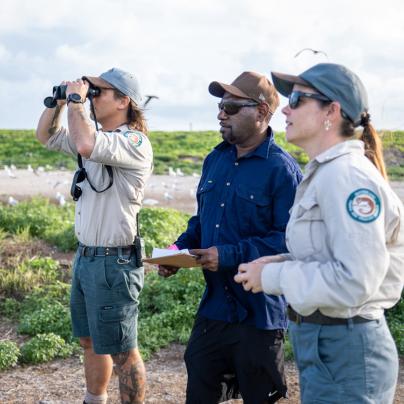
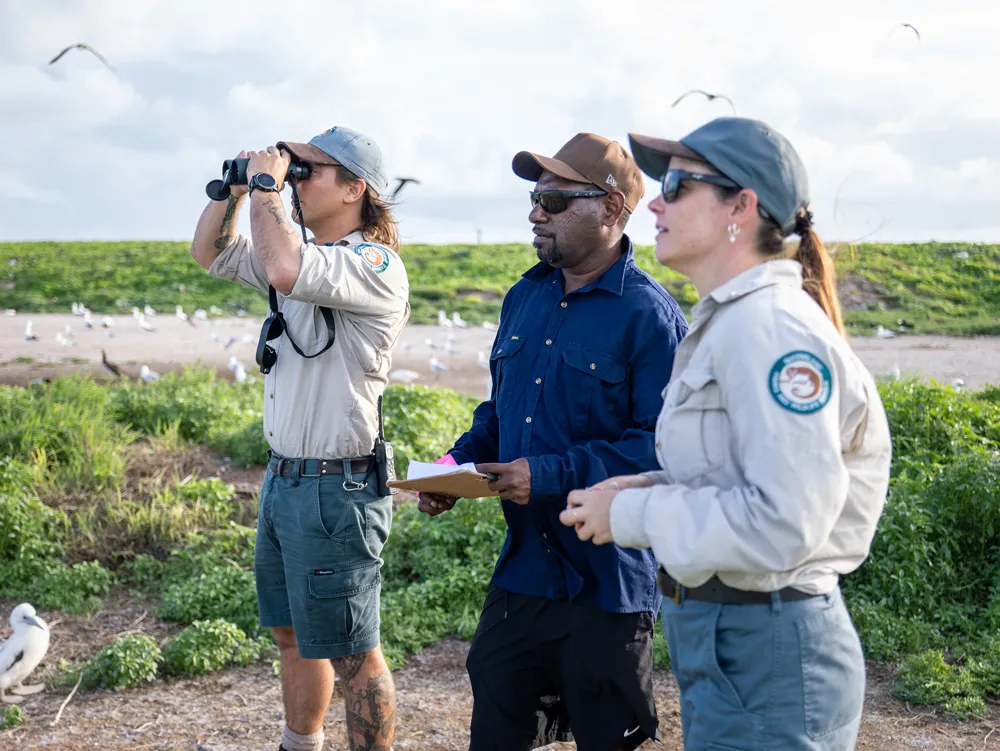
Queensland Parks and Wildlife Service leads much of the long-term coastal bird monitoring and on-ground management undertaken across the Great Barrier Reef World Heritage Area. Rangers and technical specialists monitor important colonies, assess breeding activity and manage island protected areas and visitor access to maximise the resilience of these locations.
The Reef Authority supports seabird protection through Marine Park planning and regulation, policy, partnerships, research priorities and the broader coordination of Reef management.
Traditional Owners, researchers, conservation organisations, tourism operators and Reef communities also contribute knowledge, observations and on-ground actions.
- Management actions include:
- protecting important nesting, roosting and feeding areas through Marine Park zoning, island management and site-specific arrangements
- monitoring seabird and shorebird populations and breeding activity
- managing access to sensitive breeding and roosting sites
- using seasonal closures or restrictions where needed to reduce disturbance
- implementing biosecurity measures to minimise pest and weed incursions
- managing invasive plants and animals when detected
- protecting and restoring rehabilitating island habitats
- investigating seabird movements, feeding ranges and prey availability
- monitoring erosion, vegetation and other changes to island condition
- supporting research and long-term monitoring
- responding to emerging threats, including climate change, extreme weather and disease
- working with Traditional Owners to bring cultural knowledge, values and priorities into management
- supporting observations from tourism operators and the community through Eye on the Reef.
The Reef Joint Field Management Program conducts regular surveys across the World Heritage Area and collects information on vulnerable species through activities including coastal bird monitoring.
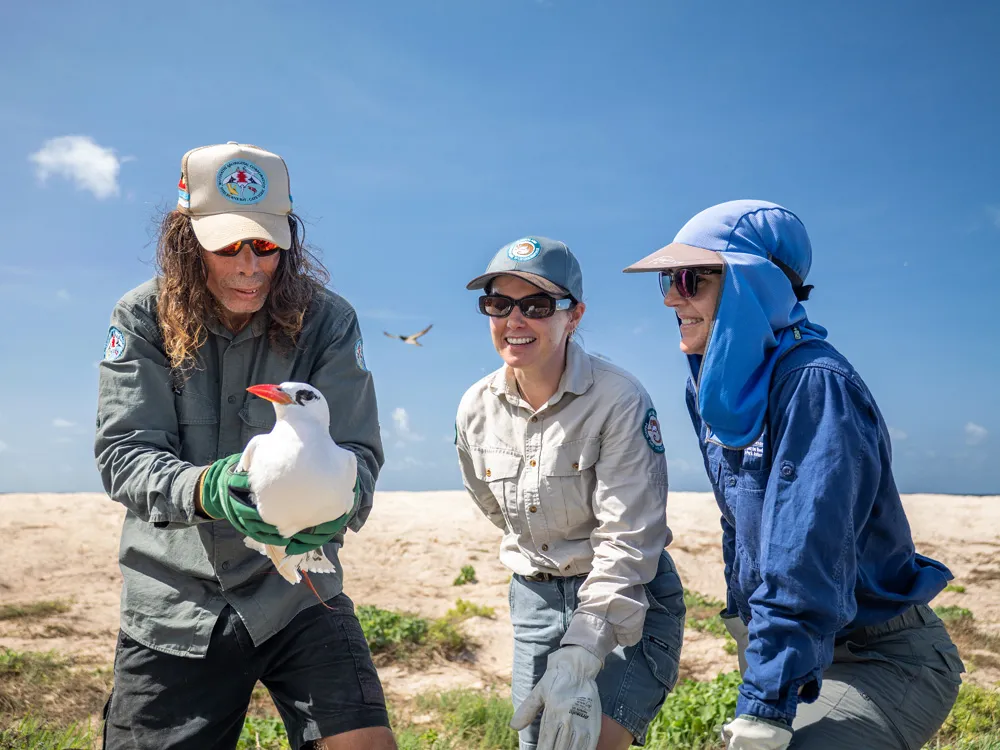
Protecting seabirds on Raine Island
Raine Island is best known as the world’s largest green turtle nesting site, but it is also the most diverse seabird rookery on the Great Barrier Reef.
Between 13 and 17 seabird species breed on the island, including internationally important populations of boobies, frigatebirds, terns and noddies. It is also the only known nesting site in Australian waters for the endangered Herald petrel Pterodroma heraldica, and the most significant site in the Great Barrier Reef for the vulnerable red-tailed tropicbird.
Raine Island is culturally significant Sea Country for the Wuthathi and Meriam Nation (Ugar, Mer, Erub) People. Their knowledge, leadership and enduring cultural responsibilities are central to caring for the island, and its inhabitants.
Through the Raine Island Recovery Project and the Reef Joint Field Management Program, Wuthathi Traditional Owners and Meriam Nation Traditional Owners work with the Queensland Parks and Wildlife Service, Reef Authority and research partners to protect the island’s natural and cultural values.
Queensland Parks and Wildlife Service leads the on-ground management, monitoring and field delivery at Raine Island. Partners work together to monitor wildlife, improve habitat and understand how seabirds, marine turtles and other species are responding to changing environmental conditions.
Raine Island has experienced historical modification, including guano and phosphate mining. Today, erosion, inundation, extreme weather and changes to vegetation continue to affect its nesting habitats.
Long-term monitoring and collaborative management are improving understanding of the island and supporting actions to strengthen its resilience.
Responsible practices around seabirds and shorebirds
Seabirds and shorebirds can be particularly vulnerable to disturbance while nesting, resting or caring for their young.
Many species nest directly on sandy beaches, coral cays or low-lying islands. Their eggs and chicks can be extremely difficult to see. Even a brief disturbance can cause adult birds to leave their nests, exposing eggs and chicks to heat, cold or predators.
- Visitors can help protect seabirds and shorebirds by:
- landing and launching boats well away from birds
- keeping a safe distance from nesting and roosting colonies
- following signs, seasonal closures and access restrictions
- using designated tracks and landing areas where provided
- remaining below the high-tide line where site guidance requires it
- moving slowly, remaining quiet and watching carefully for camouflaged eggs and chicks
- never touching birds, chicks, nests or eggs
- avoiding loud activities near nesting or roosting birds
- not using objects that flap or make noise around colonies
- not flying drones near seabirds unless authorised and operated in accordance with all requirements
- keeping pets away from seabird and shorebird habitats
- never taking domestic animals onto national park islands or cays
- taking all rubbish and fishing equipment with you
- cleaning footwear, clothing, vessels and equipment when moving between islands and other wildlife locations.
Take particular care during hot weather, wet or cold conditions, late afternoon and early evening, and when eggs or young chicks are present.
If birds begin calling loudly, repeatedly flying overhead, swoop or leave their nests because of your presence, move away calmly and give them more space.
Help monitor seabirds through Eye on the Reef
Visitors, tourism operators and other Reef users can contribute to our knowledge of seabirds and shorebirds by recording sightings through the Eye on the Reef app.
Wildlife observations can help researchers and managers understand where birds occur, when they breed and how their distribution may be changing.
Community observations complement the structured coastal bird monitoring led by Queensland Parks and Wildlife Service and delivered with partners through the Reef Joint Field Management Program.
When recording an observation, include the species, number of birds, location and any behaviour you observed, where possible.
If you see sick or dead birds, follow the reporting advice below rather than submitting an Eye on the Reef sighting.
Bird flu - avian influenza
Avian influenza, commonly known as bird flu, is a viral disease that can affect wild birds, including seabirds and shorebirds.
The globally circulating H5 strain has been detected in wild seabirds in Australia. Because some seabirds travel long distances between feeding and breeding areas, continued surveillance, preparedness and early reporting are important.
The current risk of bird flu to people in Australia is low.
For the latest information about detections and official health and biosecurity advice, visit birdflu.gov.au.
Monitoring bird flu
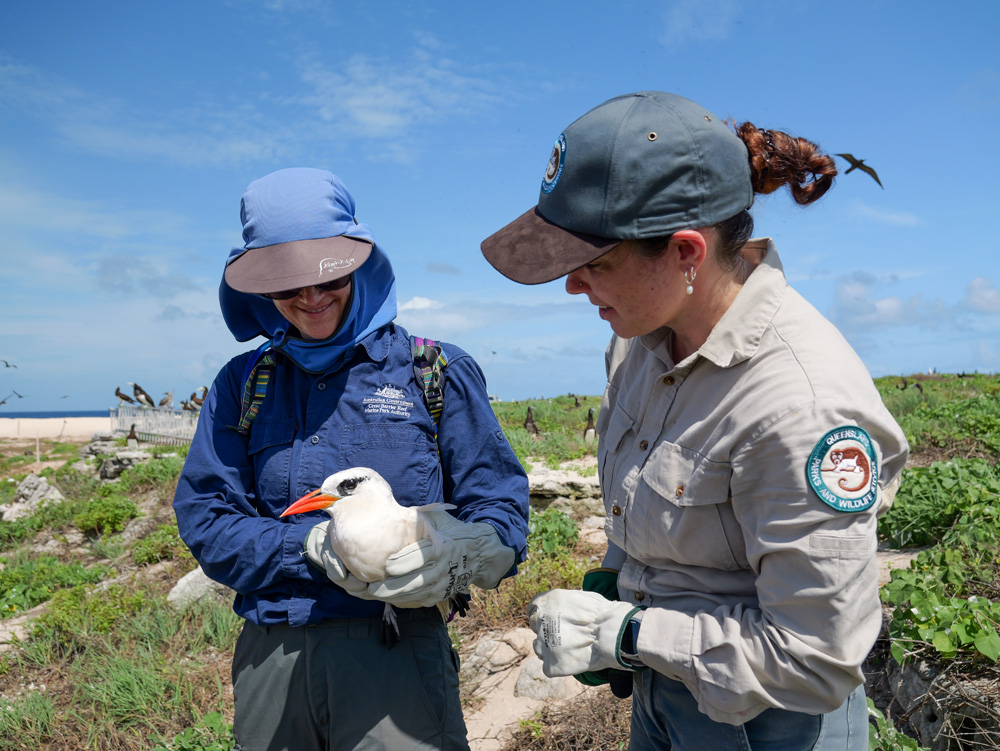
The Reef Authority and Queensland Parks and Wildlife Service are working through the Reef Joint Field Management Program and with other government agencies, Traditional Owners, researchers and wildlife health partners to support bird flu preparedness and response efforts.
Queensland Parks and Wildlife Service rangers and other field teams regularly visit islands and wildlife sites across the Great Barrier Reef World Heritage Area. These field observations, established monitoring programs and reports from Reef users can support the early identification of unusual wildlife events.
Relevant observations are reported to biosecurity authorities, which lead disease investigation, testing and response activities.
This coordinated approach helps protect people, wildlife and the important seabird populations of the Great Barrier Reef.
What to do if you find a sick or dead bird
If you notice sick or dead birds or other animals, you should not touch them. If there are sick or dead birds or other animals, take photos or a video.
Record your location and report it to the 24-hour Emergency Animal Disease Hotline on 1800 675 888. More information is available here.
- If you find a sick or dead seabird, shorebird or other wild animal:
- Avoid contact - do not touch, collect or move the animal or anything in its immediate environment.
- Keep others away - keep children and pets away from the animal.
- Record what you see - if it is safe, note the species, number of animals, location, date and time. Take photographs from a safe distance if possible.
- Report it - call the Emergency Animal Disease Hotline on 1800 675 888.
- Follow official advice - follow any instructions provided by biosecurity authorities.
Do not rely only on an Eye on the Reef sighting to report sick or dead wildlife.
Clean your footwear, clothing, vehicle, vessel and equipment when travelling between national parks, marine parks, islands and other wildlife locations. This can help reduce the risk of transferring disease between places.
Avoiding contact and reporting unusual wildlife events quickly helps protect people, wildlife and the wider environment.