
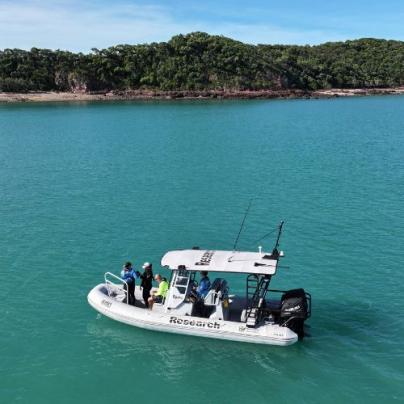
The Great Barrier Reef Inshore Dolphin Project is studying two threatened dolphin species, the Australian humpback dolphin and Australian snubfin dolphin, at three locations across the Great Barrier Reef Marine Park.
Researchers are collecting information about population size, distribution, habitat use and population trends. Relatively little is known about these species. The findings will support conservation assessments and help guide future management decisions.
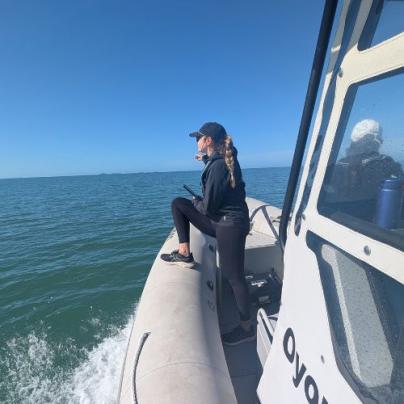
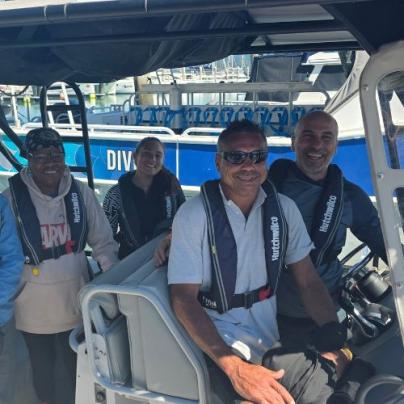
Traditional Owner groups at each study location advise researchers on suitable survey locations and support fieldwork.
The project is led by the Queensland Parks and Wildlife Service (QPWS) Threatened Species Operations team and is part of the Reef Authority–QPWS Reef Joint Field Management Program.
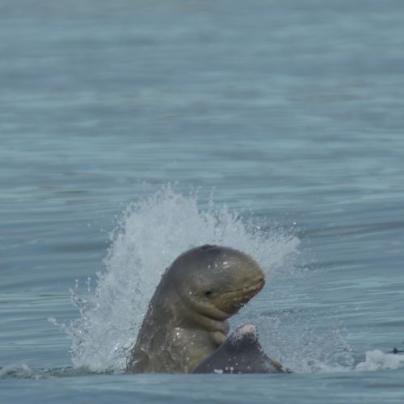
Where is the study area?
- The project focuses on three locations:
- Princess Charlotte Bay in the far north of the Marine Park
- Repulse Bay in the central Marine Park
- Keppel Bay in the southern Marine Park
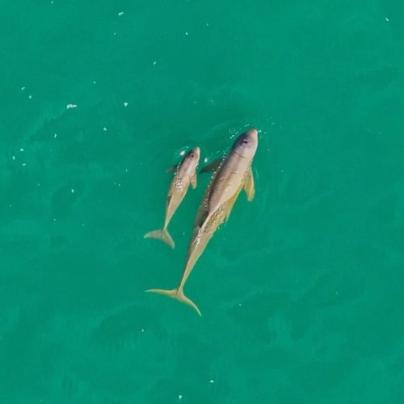
Research in Princess Charlotte Bay in 2025 found that the bay is an important area for Australian snubfin dolphins. Surveys indicate that around 300 snubfin dolphins use the bay, although the population may be larger.
In 2026, researchers expanded monitoring to Repulse Bay and Keppel Bay. Both locations have environments similar to Princess Charlotte Bay and may also support important dolphin populations.
What is the project studying?
- Across all three locations, researchers are collecting information about:
- population size: how many dolphins live in each area
- distribution: where dolphins are found
- habitat use: how dolphins use their habitat
- population trends: whether dolphin numbers are increasing, decreasing or stable over time.
The project also examines potential threats in important dolphin habitats.
Who is involved?
The project brings together government agencies, researchers and Traditional Owners.
Those involved include:
- Queensland Parks and Wildlife Service (QPWS), Department of the Environment, Tourism, Science and Innovation
- Great Barrier Reef Marine Park Authority (Reef Authority)
- James Cook University
- Cape Melville, Flinders & Howick Islands Aboriginal Corporation
- Lama Lama Traditional Owners, through Yintjingga Aboriginal Corporation
- Gia and Ngaro Traditional Owners
- Darumbal Traditional Owners, through Darumbal People Aboriginal Corporation RNTBC
- Bailai Traditional Owners, through Gidarjil Development Corporation.
QPWS Threatened Species Operations leads the project, with support from the QPWS Great Barrier Reef and Marine Parks Region and the Reef Authority.
The project receives funding from QPWS Threatened Species Operations and the Reef Authority–QPWS Reef Joint Field Management Program. Additional funding comes from the Australian Government’s Reef Trust through Curtis Island Indirect Offsets provided by Australia Pacific LNG, QGC and Santos GLNG.
What is a humpback dolphin?
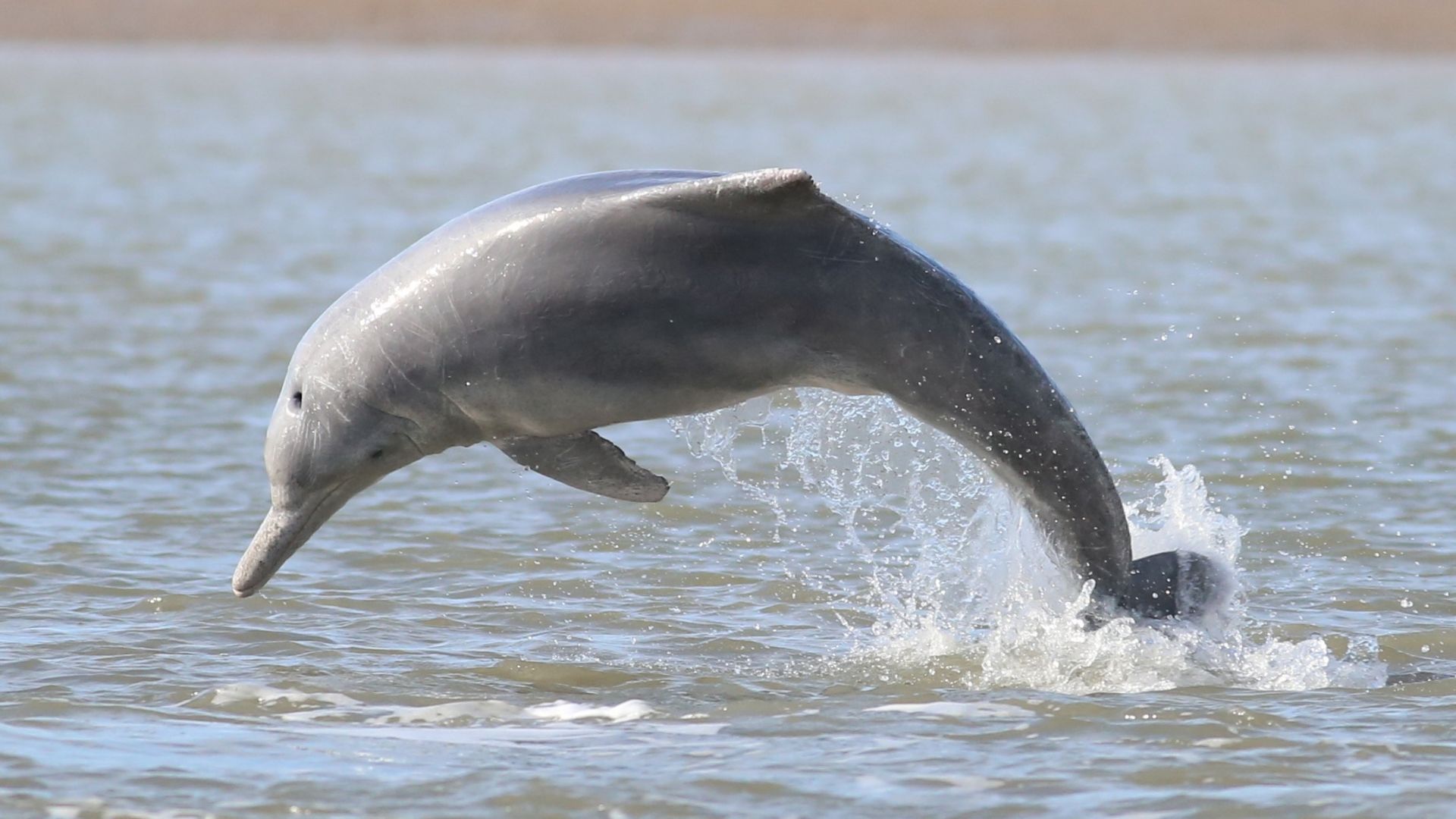
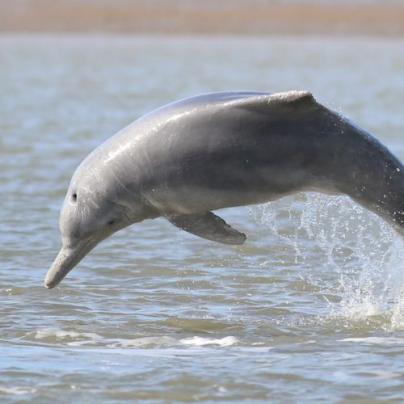
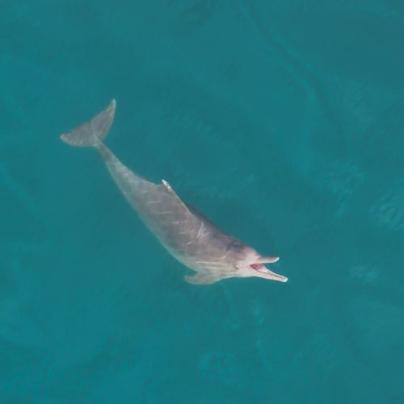
The Australian humpback dolphin (Sousa sahulensis) lives in shallow coastal waters across northern Australia. It is often found near river mouths, mangroves, tidal channels and nearshore reefs.
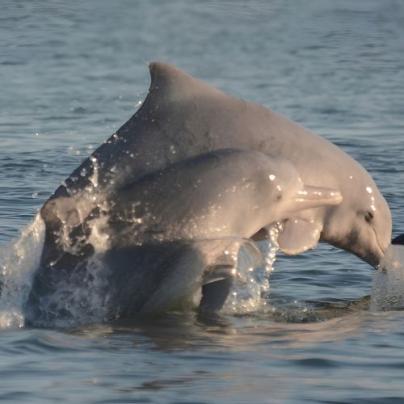
Australian humpback dolphins can grow to around 2.7 m long. They are usually grey and can appear pinkish, with a low, triangular dorsal fin. Adults can develop distinctive white or pink scars and speckling as they age.
Scientists still know little about many Australian humpback dolphin populations. The species is listed as Vulnerable under the Australian Government’s Environment Protection and Biodiversity Conservation Act 1999 and Queensland’s Nature Conservation Act 1992. It is also listed as Vulnerable on the IUCN Red List.
Threats include loss or damage to habitat, coastal development, boat traffic and being caught in fishing gear.
What is a snubfin dolphin?
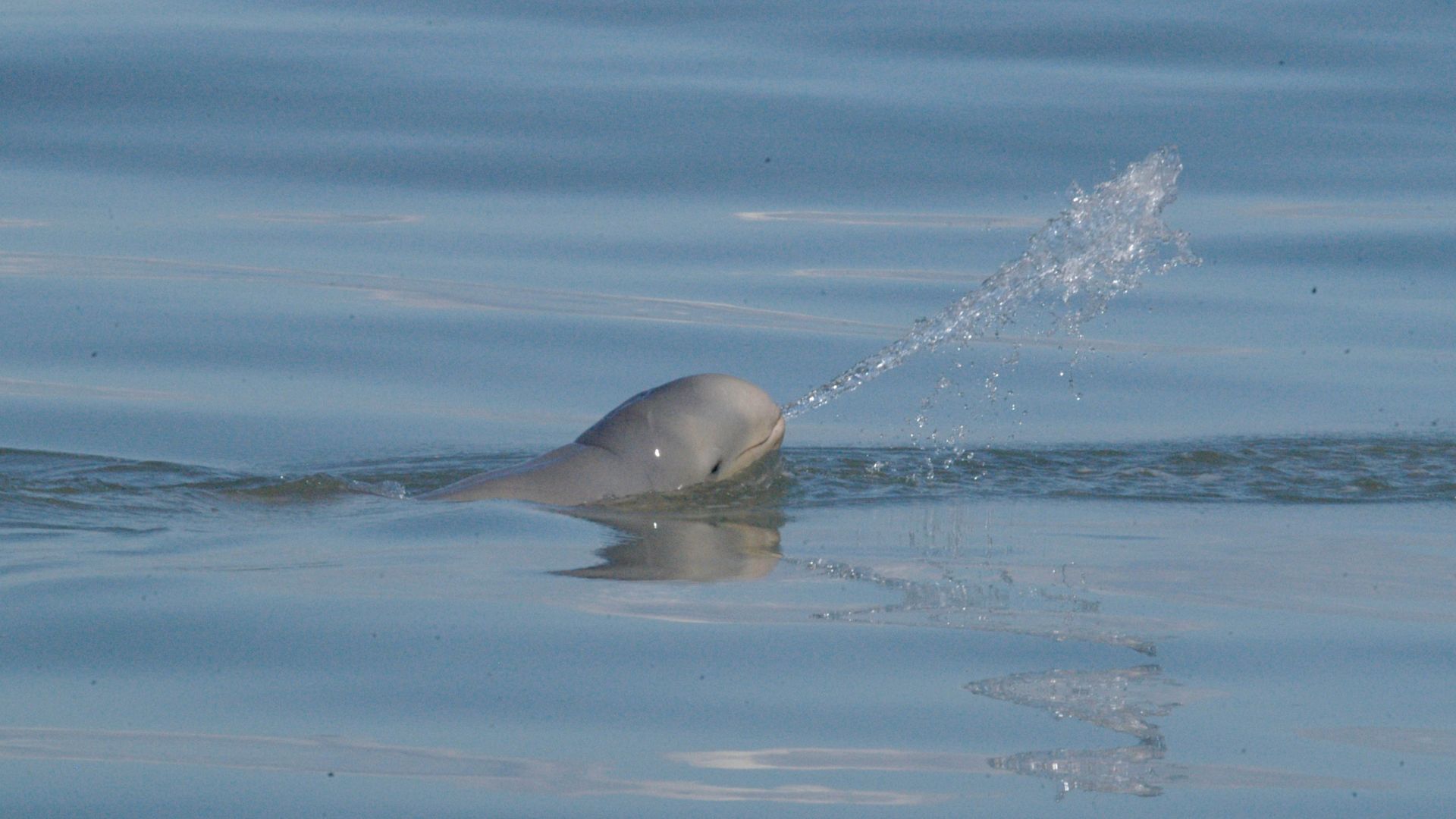
The Australian snubfin dolphin (Orcaella heinsohni) is one of the country's most distinctive dolphin species and lives in shallow coastal waters in northern Australia. It is often found in bays, estuaries and near river mouths. Scientists recognised it as a separate species in 2005.
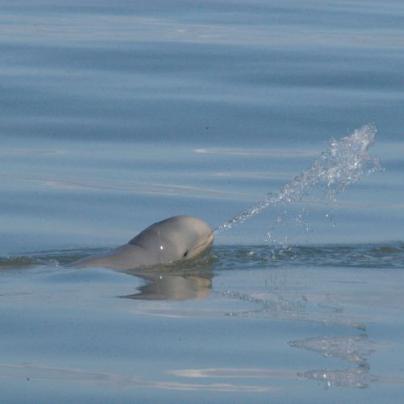
Unlike many other dolphin species, snubfin dolphins have a rounded forehead and a small, rounded dorsal fin. They are often found in small groups.
Scientists are still working to understand their population size, distribution and population trends. The species is listed as Vulnerable under the Australian Government’s Environment Protection and Biodiversity Conservation Act 1999 and Queensland’s Nature Conservation Act 1992. It is also listed as Vulnerable on the IUCN Red List.
Threats include loss or damage to habitat, coastal development, boat traffic and being caught in fishing gear.
Partnering with Traditional Owners
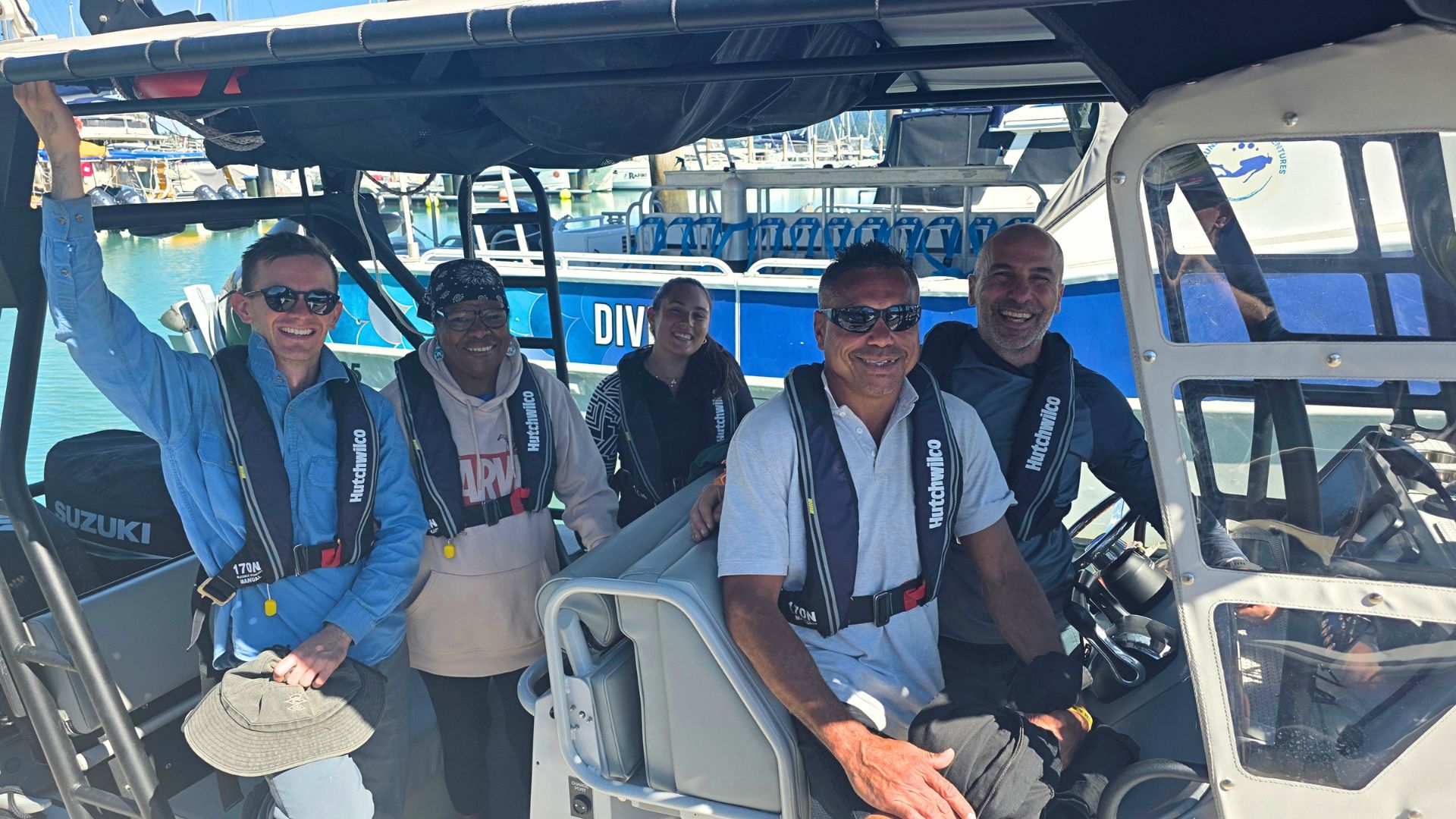
Traditional Owners are important partners in the project.
Drawing on their knowledge of Sea Country, Traditional Owners advise researchers on suitable survey locations across the study regions. Traditional Owner representatives also participate in fieldwork and support scientific data collection.
- The project works with:
- Cape Melville, Flinders & Howick Islands Aboriginal Corporation in the far northern region
- Lama Lama Traditional Owners in the northern region, through Yintjingga Aboriginal Corporation
- Gia and Ngaro Traditional Owner groups in the central region
- Darumbal Traditional Owners in the southern region, through Darumbal People Aboriginal Corporation RNTBC
- Bailai Traditional Owners in the southern region, through Gidarjil Development Corporation.
Data collected through the surveys will improve understanding of Australian humpback and snubfin dolphins across the Great Barrier Reef and support their long-term conservation.